
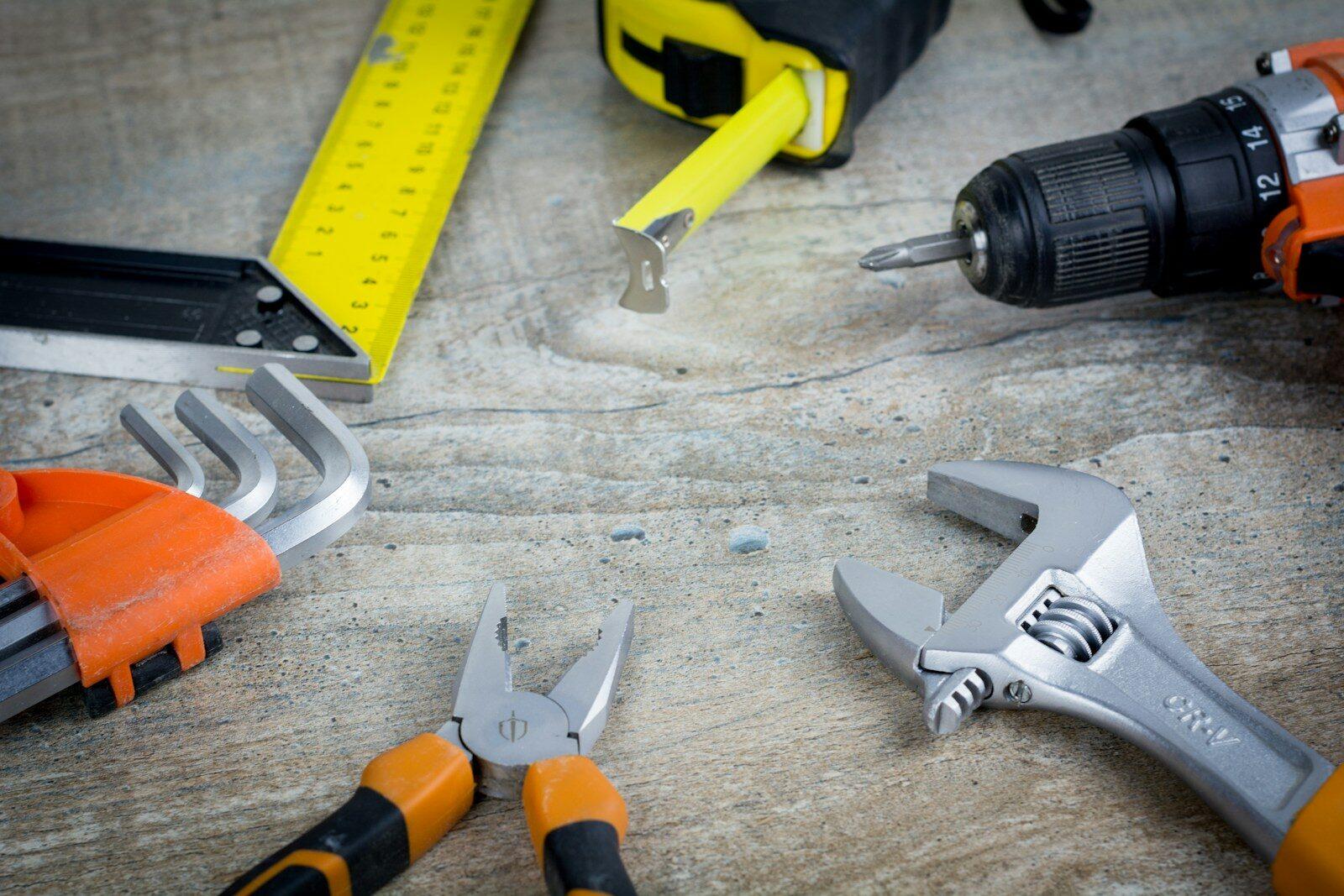
Maintenance is not just a service issue. It is a retention issue, a vacancy issue, and ultimately an ROI issue.
When repairs are handled quickly and clearly, tenants are more likely to stay, trust the management process, and renew. When maintenance feels slow, confusing, or neglected, resident satisfaction drops, frustration grows, and turnover risk increases.
Why Maintenance Matters More Than Owners Think
Many landlords think of maintenance mainly as an expense to control. It is that, but it is also one of the strongest signals tenants receive about how the property will be managed over time.
Free for Tampa Bay property owners
Find out what your rental should be earning
Get a free Tampa Bay Rental Performance Review from Relevé — rent estimate, vacancy risk, rent-ready notes, pricing strategy, and management fit recommendation.
A resident may tolerate a lot of small inconveniences if they believe the property is being cared for. They are less likely to renew when they feel ignored, delayed, or forced to chase basic repairs.
Maintenance Response and Tenant Retention
Fast maintenance response supports retention in several ways:
- it builds trust early in the lease
- it lowers frustration during normal wear-and-tear issues
- it helps tenants feel respected
- it reduces the feeling that living elsewhere would be easier
That matters because most turnover starts emotionally before it starts logistically. Tenants often decide not to renew after months of small frustrations, not one dramatic event.
The Cost of Slow Maintenance
Slow maintenance response can hurt owners in ways that are easy to underestimate:
- higher turnover risk
- more make-ready costs
- additional vacancy between residents
- worse tenant reviews or referrals
- small repair issues turning into larger repair bills
In other words, poor maintenance handling does not just create inconvenience. It can weaken total property performance.
What Good Maintenance Response Looks Like
Good maintenance response is not just about speed. It is also about clarity and follow-through.
Tenants respond better when they know:
- their request was received
- someone is actually working on it
- they understand the next step
- they are not being forgotten
That means the best maintenance systems create communication confidence as much as repair completion.
Preventive Maintenance Protects ROI Too
Owners often focus on reactive maintenance, but preventive work matters just as much. Routine HVAC service, plumbing attention, exterior upkeep, and small repairs done early can all help reduce larger issues later.
Preventive maintenance protects ROI by lowering surprise expenses, improving tenant experience, and helping the home remain easier to lease at the next turnover point.
Why This Matters in Competitive Rental Markets
In markets like North Tampa, Lutz, Land O’ Lakes, Odessa, Wesley Chapel, and Trinity, tenants have options. If a resident feels like the home is not being maintained properly, they may simply decide not to renew and move to a better-managed alternative.
That makes maintenance response part of your competitive position, not just your operating checklist.
How Owners Can Improve Maintenance-Driven Retention
If you want maintenance to support retention and ROI, focus on these areas:
- respond quickly when requests come in
- keep communication clear throughout the process
- use reliable vendors or service coordination
- do not let small issues sit too long
- treat preventive maintenance like protection, not overhead
Owners who manage maintenance more proactively usually experience fewer avoidable turnovers and smoother long-term operations.
Final Takeaway
Faster maintenance response protects tenant retention because it improves trust, lowers frustration, and supports a better overall resident experience. It also protects ROI by reducing turnover, avoiding larger repair costs, and helping properties stay lease-ready.
If you want stronger rental performance, maintenance should not be treated as a side issue. It should be treated as part of the retention strategy.
If you want to understand your property’s current rental potential first:
FAQs
Does maintenance response really affect tenant retention?
Yes. Slow or unclear maintenance handling is one of the most common sources of resident frustration and non-renewal.
Why does maintenance affect ROI?
Because poor maintenance response can increase turnover, create larger repair costs, and make properties harder to lease efficiently.
Is preventive maintenance worth the cost?
Usually yes. Preventive maintenance often lowers larger future repair expenses and improves the overall tenant experience.
What is more important: repair speed or communication?
Both matter. Tenants want timely action, but they also want clear updates so they do not feel ignored.
What type of landlords benefit most from better maintenance systems?
Almost all landlords do, but especially owners who want stronger retention, lower turnover friction, and more predictable property performance.

Written by
relevemanager
Serving Lutz, Land O' Lakes, Odessa & North Tampa
Ready to maximize your rental income?
Get a free Tampa Bay Rental Performance Review with rent estimate, vacancy risk, rent-ready notes, and next-step strategy.
Related Articles
 Landlord tips and advice
Lake Forest Lutz Rental Property Owner Guide
A Lake Forest Lutz rental guide for landlords focused on pricing, condition, tenant demand, and management strategy.
 relevemanager
 Landlord tips and advice
Calusa Trace Rental Property Owner Guide for Lutz Landlords
A Calusa Trace rental owner guide for landlords focused on pricing, leasing performance, and tenant placement.
relevemanager Land O' Lakes
Stagecoach Village Rental Property Owner Guide for Landlords
A Stagecoach Village rental guide for owners who want stronger pricing, leasing, and tenant placement in Land O Lakes.
relevemanager